Skip to main contentSkip to footer
TotSaver Class Topics

Preparing for Household Emergencies

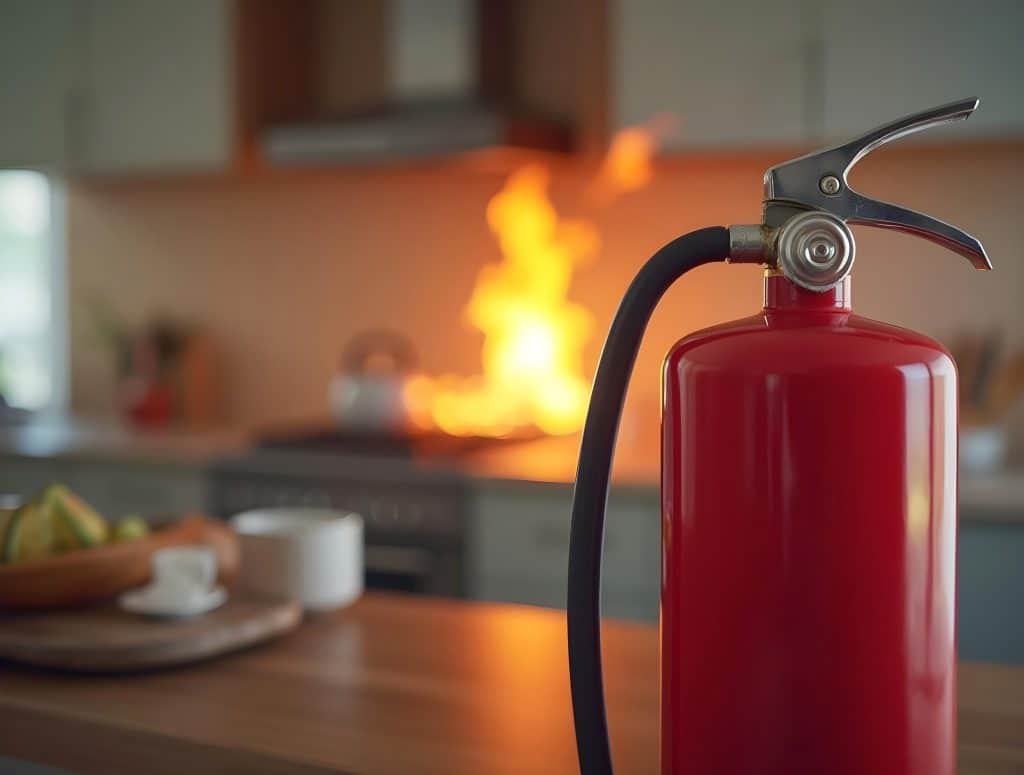
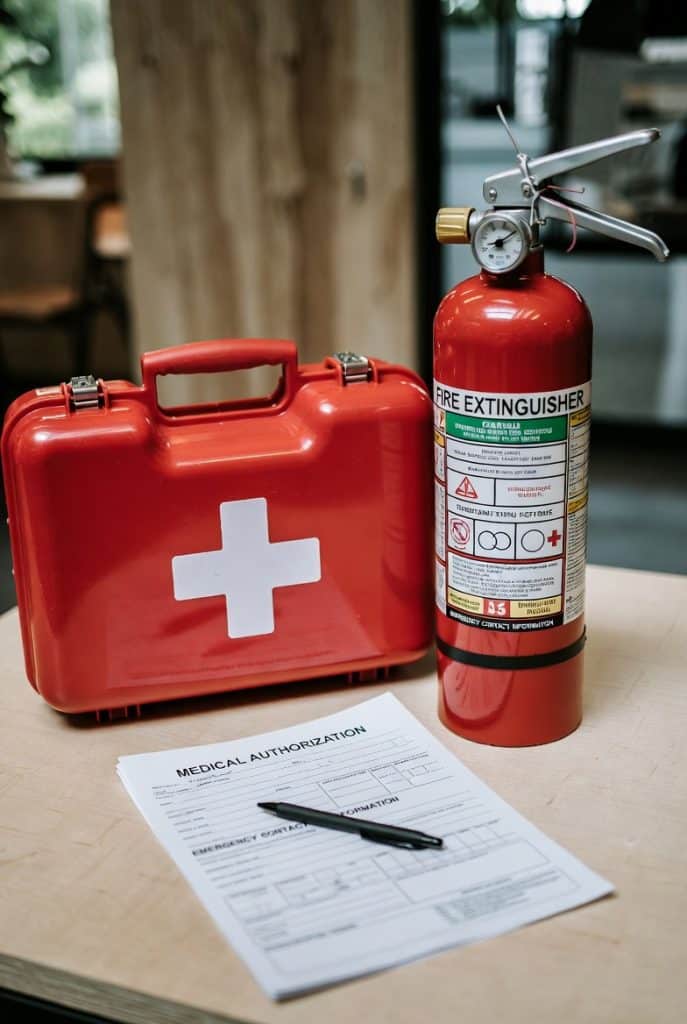
Many of us have First Aid kits, Smoke Detectors and Fire Extinguishers in our homes, but do you know how to use them?  Can you find the First Aid Kit or even remember where the Fire Extinguisher is during a panic-filled moment?  Have you organized your child’s Medical History, signed Medical Authorization forms for your child’s care, or know the phone number for Poison Control?  In an emergency, seconds count and there’s much you can do to be better prepared to care for your child, and we’ll guide you through some of those steps.


Common Causes of Childhood Injuries

Safeguarding your child from harm begins with first identifying the dangers and hazards they face, the dangers and hazards that constantly change as your infant grows and become more mobile and more inquisitive.  During your TotSavers class, we’ll identify those common hazards to better help you minimize risks to your child’s health and safety.

Child-proofing Tips

Once we’ve identified the more common causes of childhood injuries, what can we do now to eliminate those hazards and keep your child safe? Child-proofing your home is vital to your child’s health and safety, and at your TotSavers class we’ll discuss specific actions you can (and should) take as we go room by room discussing those hazards to help protect your child from a preventable childhood injury.

First Aid for Common Childhood Injuries

Let’s face it… children are inquisitive creatures and will somehow find trouble despite our best efforts. We’ll discuss First Aid for the more common injuries you may encounter, including injuries due to Falls, Head Injuries, Eye and Dental injuries, Concussions and Nose Bleeds, Lacerations, Bleeding, Abdominal Injuries, Poisoning, Convulsions / Seizures, Burns and Scalds, Choking, Drowning, Bee Stings / Bug Bites, Allergic Reactions, and Signs and Symptoms of Shock.

You’ll leave the class feeling much more prepared to care for your child…. when they need you the most.

Rescue Breathing, CPR and Obstructed Airways

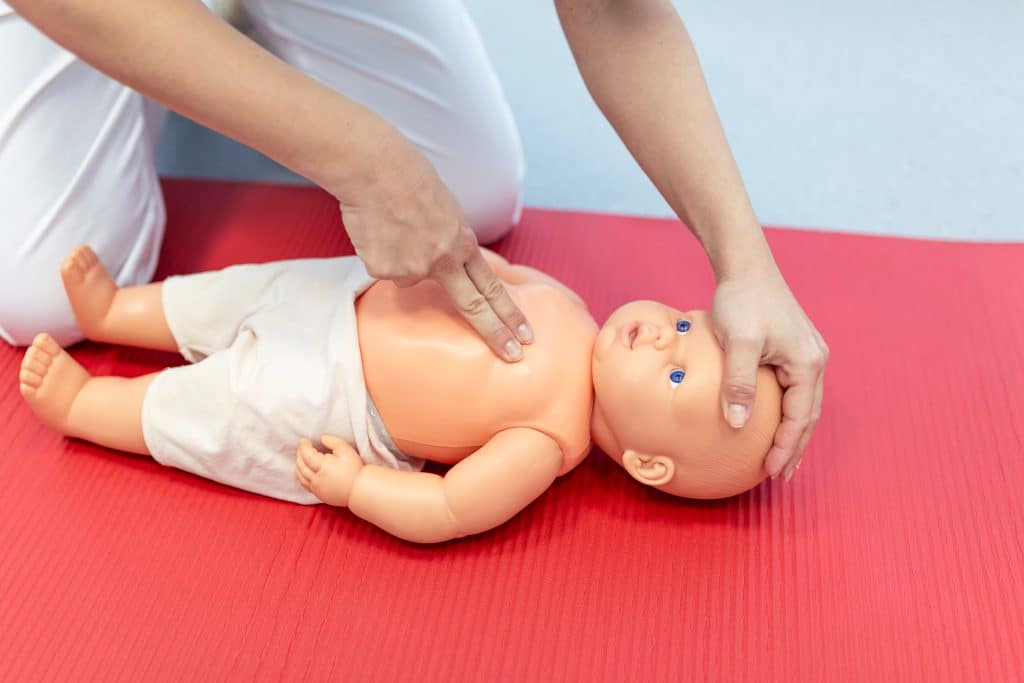
A parent or caregivers greatest fear is knowing what to do if an infant or child stops breathing or is choking on a foreign body, and so the skills of Rescue Breathing, CPR, and Obstructed Airway Maneuvers will be discussed and practiced by all on life-like infant and child size manikins.

Preventing and Surviving Household Fires

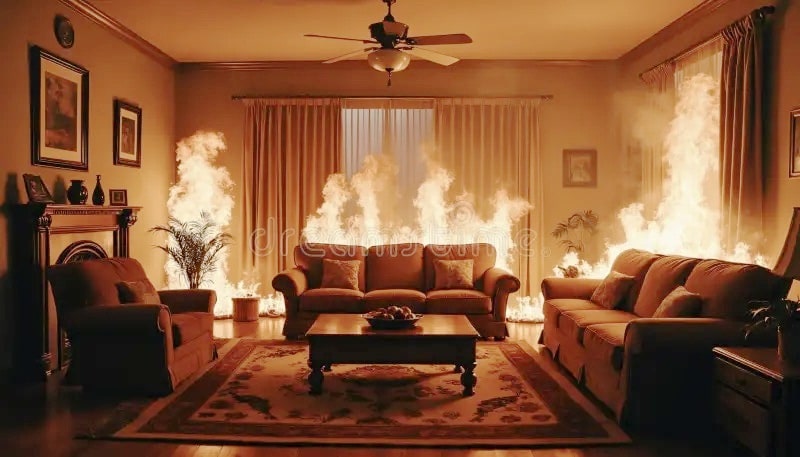
Few of us know what to do in a fire except “try” to escape. Taught by retired firefighters with years of experience, you’ll gain an understanding of how fires start, grow, and rapidly travel and the steps you can take now to safeguard your home and family, and the actions you should take to safely escape a burning building.

Preparing for Household Emergencies

Many of us have First Aid kits, Smoke Detectors and Fire Extinguishers in our homes, but do you know how to use them?  Can you find the First Aid Kit or even remember where the Fire Extinguisher is during a panic-filled moment?  Have you organized your child’s Medical History, signed Medical Authorization forms for your child’s care, or know the phone number for Poison Control?  In an emergency, seconds count and there’s much you can do to be better prepared to care for your child, and we’ll guide you through some of those steps.

Common Causes of Childhood Injuries

Safeguarding your child from harm begins with first identifying the dangers and hazards they face, the dangers and hazards that constantly change as your infant grows and become more mobile and more inquisitive.  During your TotSavers class, we’ll identify those common hazards to better help you minimize risks to your child’s health and safety.

Child-proofing Tips

Once we’ve identified the common causes of childhood injuries, what can we do now to eliminate those hazards?  In your TotSavers class, we’ll discuss specific actions you can (and should) take, room by room, to prevent childhood injuries.

First Aid for Common Childhood Injuries

Let’s face it… children are inquisitive creatures and will somehow find trouble despite our best efforts. We’ll discuss First Aid for the more common injuries you’ll possible encounter, including: Injuries due to falls including Head Injuries, Eye and Dental injuries, Concussions and Nose Bleeds, Lacerations, Bleeding, Fractures, Abdominal Injuries, Poisoning, Convulsions / Seizures, Burns and Scalds, Choking, Drowning, Bee Stings / Bug Bites, Allergic Reactions, and Signs and Symptoms of Shock.

You’ll leave the class feeling much more prepared to care for your child…. when they need you the most.

Rescue Breathing, CPR and Obstructed Airways

A parent or caregivers greatest fear is knowing what to do if an infant or child stops breathing or is choking on a foreign body, and so the skills of Rescue Breathing, CPR, and Obstructed Airway Maneuvers will be discussed and practiced by all on life-like infant and child size manikins.

Preventing and Surviving Household Fires

Few of us know what to do in a fire except “try” to escape. Taught by retired firefighters with years of experience, you’ll gain an understanding of how fires start, grow, and rapidly travel and the steps you can take now to safeguard your home and family, and the actions you should take to safely escape a burning building.

Are you ready to become a TotSaver?